Hantavirus Explained: Symptoms, Spread, Risks, and WHO Warning
What is hantavirus?
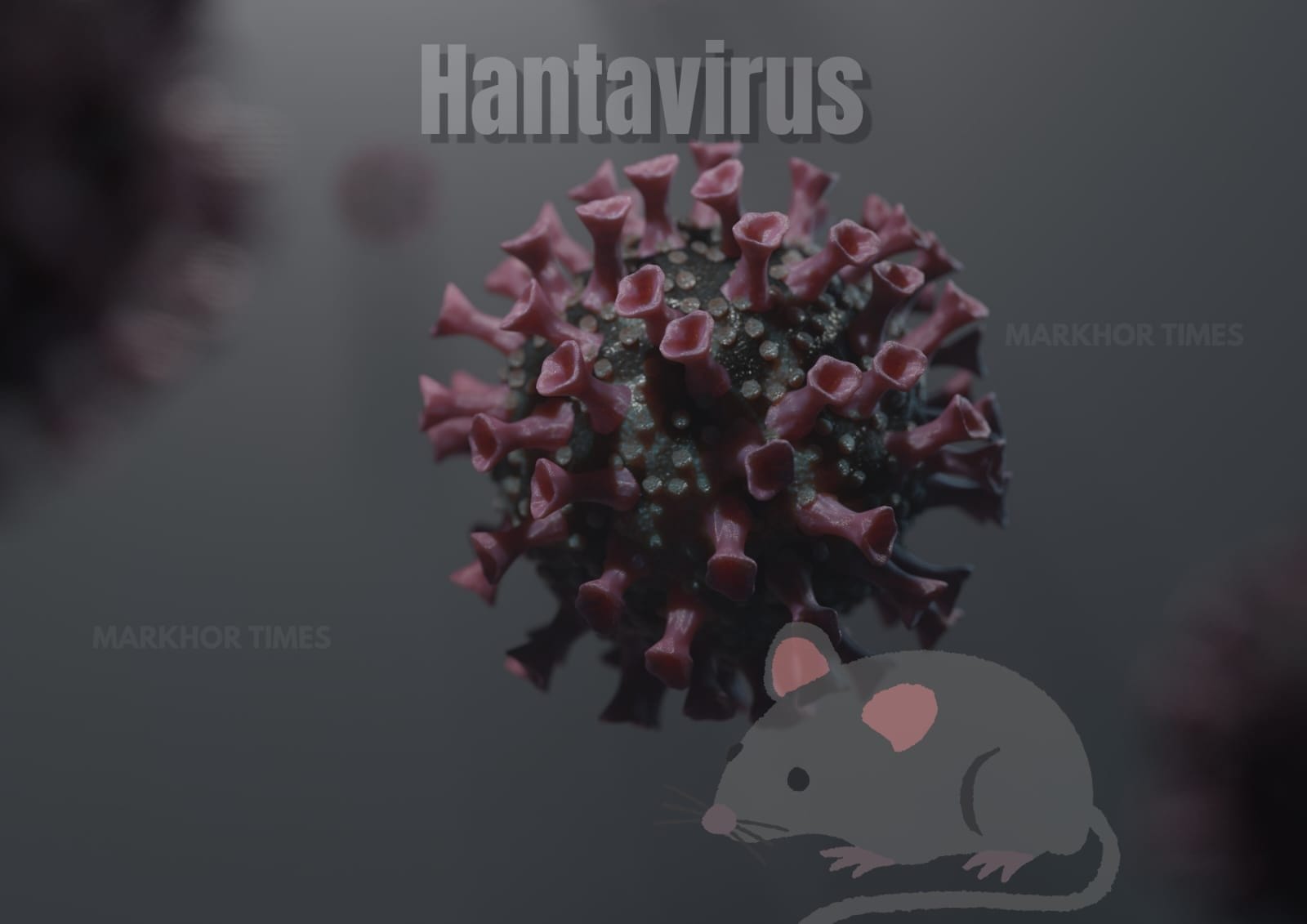
Hantavirus is a group of viruses that rodents like mice and rats carry. These animals usually do not get sick. They can spread the virus through their urine, saliva and droppings.
People can get infected when they breathe in air that has virus particles. This often happens when people clean places like old buildings or sheds where rodents may have lived.
How does hantavirus spread?
Hantavirus mostly spreads when people breathe in dust. Sometimes people can get infected by touching contaminated surfaces. Then touching their mouth or face. If a rodent bites someone it can also spread the infection.
Doctors say hantavirus usually does not spread from one person to another.
Why is hantavirus bad?
Doctors say hantavirus can be life-threatening quickly. The death rate can be high as 20% to 50% depending on the type of virus.
One reason hantavirus is bad is that the early symptoms are similar to illnesses like the flu or COVID-19. This can delay diagnosis and treatment.
What are the early symptoms of hantavirus?
Most people first get symptoms like the flu. These can include fever, chills, muscle pain, tiredness, headaches, dizziness, vomiting, diarrhea and stomach pain.
Many people also get body aches, especially in the thighs, hips and back muscles. These symptoms can appear suddenly. Get worse within days.
What is Hantavirus Pulmonary Syndrome?
In North and South America hantavirus can cause a condition called Hantavirus Pulmonary Syndrome. This condition mainly affects the lungs and heart. Patients may get a cough severe breathing problems, fluid in the lungs and very low blood pressure. Doctors say this can be critical fast.
What is Hemorrhagic Fever with Renal Syndrome?
In Europe and Asia hantavirus is commonly linked to Hemorrhagic Fever with Renal Syndrome. This mainly affects the kidneys and blood vessels. Symptoms can include kidney pain, blurred vision, facial redness, bleeding problems and even kidney failure in cases.
How do doctors diagnose hantavirus?
Doctors say early diagnosis can be hard because the symptoms are similar to other illnesses. Doctors usually ask patients about their travel history if they have been around rodents, their workplace and where they have been recently.
Then doctors use laboratory tests to confirm the infection. These tests include blood tests and special molecular tests.
Is there any treatment for hantavirus?
Now there is no specific cure or vaccine for hantavirus. Treatment mainly focuses on taking care of the patients health.
Doctors carefully watch the patients breathing, heart function, blood pressure and kidney health. Doctors say getting help early greatly improves survival chances.
What about the cruise ship cases?
As of May 2026 hantavirus cases linked to the cruise ship MV Hondius have raised concern internationally. The World Health Organization has contacted at 12 countries.
Countries connected to the concern include Argentina, the Netherlands, the United States, South Africa, Spain, the United Kingdom, Switzerland and Germany.
Where has hantavirus been seen before?
Hantavirus is not new. Cases have been reported in countries across the Americas, Europe and Asia.
In the Americas infections have been reported in Brazil, Chile, Bolivia, Paraguay, Uruguay, Panama and Mexico. In Asia countries like China, South Korea and India have also reported cases. European countries including Finland, France, Greece and Portugal have seen infections well.
How can people protect themselves from hantavirus?
Health experts advise people to avoid contact, with rodents and to clean areas where mice or rats may be present. Wearing gloves and masks while cleaning spaces can reduce the risk of infection.
Proper food storage, clean surroundings and sealing holes in homes can also help prevent rodents from entering living spaces.
What to remember about hantavirus?
Hantavirus is rare. It is serious. Doctors stress that awareness early medical care and prevention are the ways to reduce risk.
While scientists continue studying hantavirus health officials are reminding the public not to panic but to stay careful in places where rodent exposure is possible.
One email a week. No noise.
A single story unwound carefully, plus the few things worth your time. Free, and it stays that way.