Powerful Japan Quake Leaves Residents in Fear
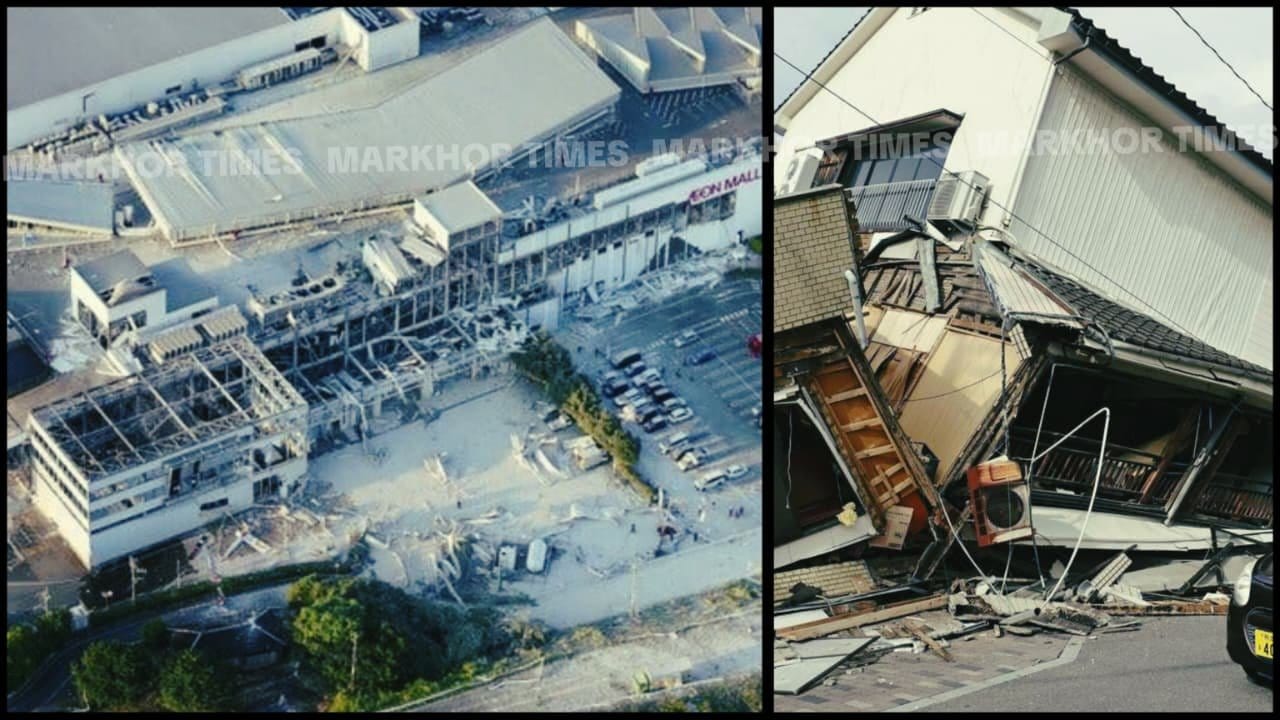
The Kyushu earthquake has left dozens of people injured and caused major disruption across southwestern Japan. The powerful 7.1-magnitude earthquake struck Kyushu on Tuesday afternoon, shaking homes, roads, and public transport.
According to the Japan Meteorological Agency, the earthquake was shallow, which made the shaking feel stronger in many areas. The quake hit Kumamoto Prefecture, around 900 kilometers southwest of Tokyo. Officials urged people to stay alert.
Prime Minister Sanae Takaichi said the government quickly formed a task force to collect information and assess the damage. Emergency teams were sent to affected areas to help residents and inspect damaged buildings and roads.
The earthquake also disrupted transportation across Kyushu. Shinkansen bullet trains and local train services were temporarily suspended for safety inspections. In addition, Aso Kumamoto Airport closed its runway, and airport officials said there was no immediate timeline for resuming flight operations.
Authorities reported injuries, power outages, small fires, and damage to roads, bridges, and buildings. However, officials said they were still assessing the full extent of the destruction. Residents were advised to be careful when using gas or cooking because damaged buildings and broken glass could create additional dangers.
The tsunami advisory covered the Ariake and Yatsushiro Seas along the western coasts of Kumamoto, Nagasaki, Fukuoka, and Saga prefectures. Fortunately, the advisory was later lifted after experts determined that the tsunami threat had passed.
The Kyushu earthquake serves as another reminder that Japan remains one of the world's most earthquake-prone countries. Officials continue to monitor the situation and have urged people to follow safety instructions and stay prepared for possible aftershocks.
One email a week. No noise.
A single story unwound carefully, plus the few things worth your time. Free, and it stays that way.