
SpaceX Falcon 9 Rocket Expected to Crash Into the Moon
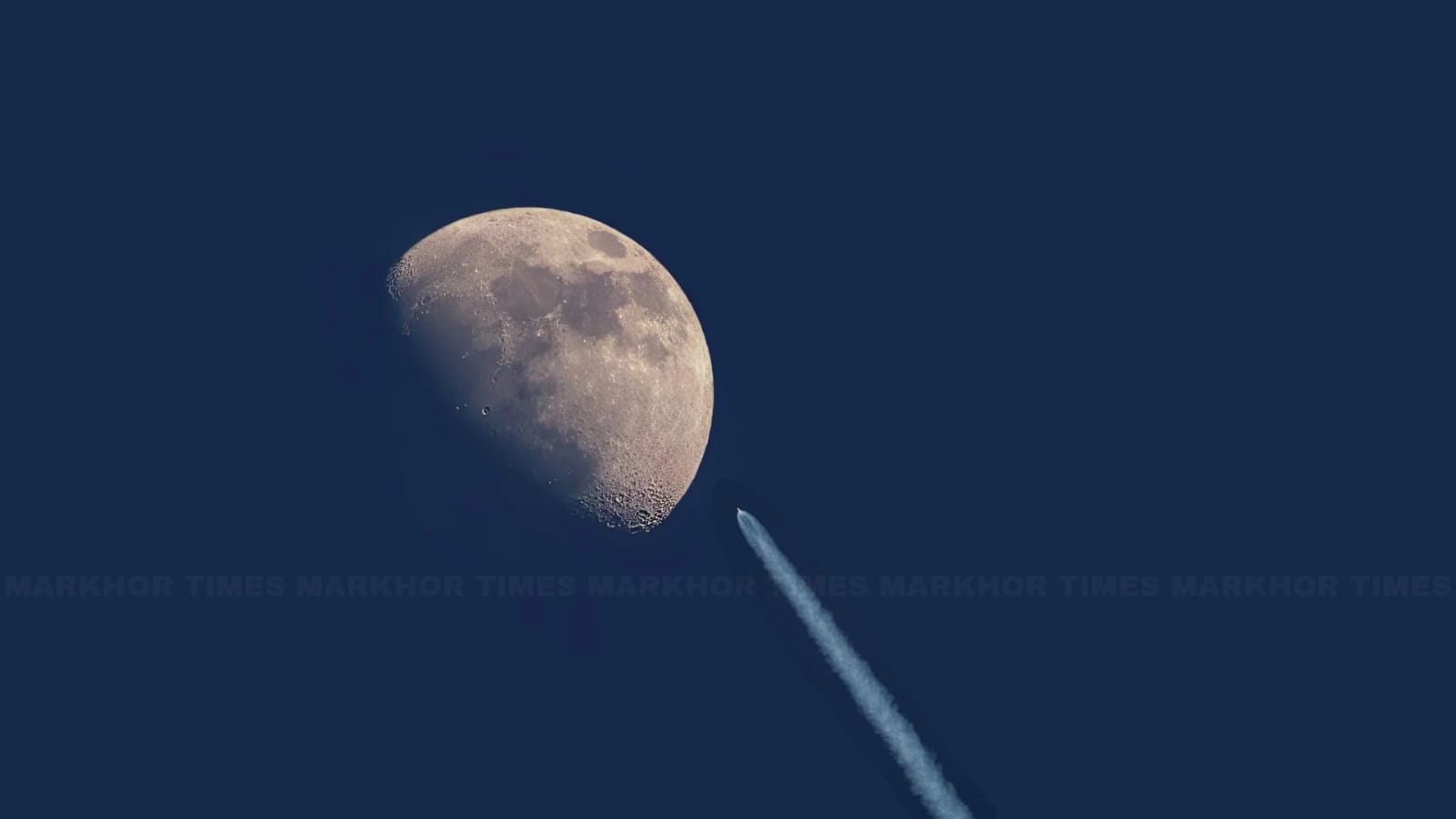
The SpaceX Falcon 9 rocket Moon crash is attracting attention from scientists and space enthusiasts around the world. A large piece of a SpaceX Falcon 9 rocket is expected to collide with the Moon after drifting off its planned path. NASA has confirmed that the event poses no danger to Earth and is being treated as a valuable scientific opportunity.
The object is the upper stage of a Falcon 9 rocket that launched during a US-Japan lunar mission in 2025. While some parts of the Falcon 9 return safely to Earth and are reused, the upper stage remained in space after completing its mission. Over time, its orbit changed, putting it on a collision course with the Moon.
According to NASA, the rocket stage is about the size of a five-storey building and weighs more than 4,000 kilograms. Scientists expect it to strike near the Moon's Einstein Crater. The impact could create a new crater measuring about 17 metres (56 feet) across.
Astronomers are looking forward to observing the collision because it will provide useful information about the Moon's surface. By studying the new crater and the material thrown into space, researchers can better understand the Moon's geology and how its surface changes over time.
Although a rocket crashing into the Moon may sound alarming, experts stress that there is no risk to people on Earth. Instead, the event offers a rare chance to collect scientific data and improve future space missions.
The SpaceX Falcon 9 rocket Moon crash shows that even unexpected events in space can help scientists make new discoveries. As researchers monitor the impact, the information collected could support future lunar exploration and deepen our understanding of Earth's closest neighbor.
One email a week. No noise.
A single story unwound carefully, plus the few things worth your time. Free, and it stays that way.


