Solar Eclipse Eye Damage: Causes, Symptoms and Safety
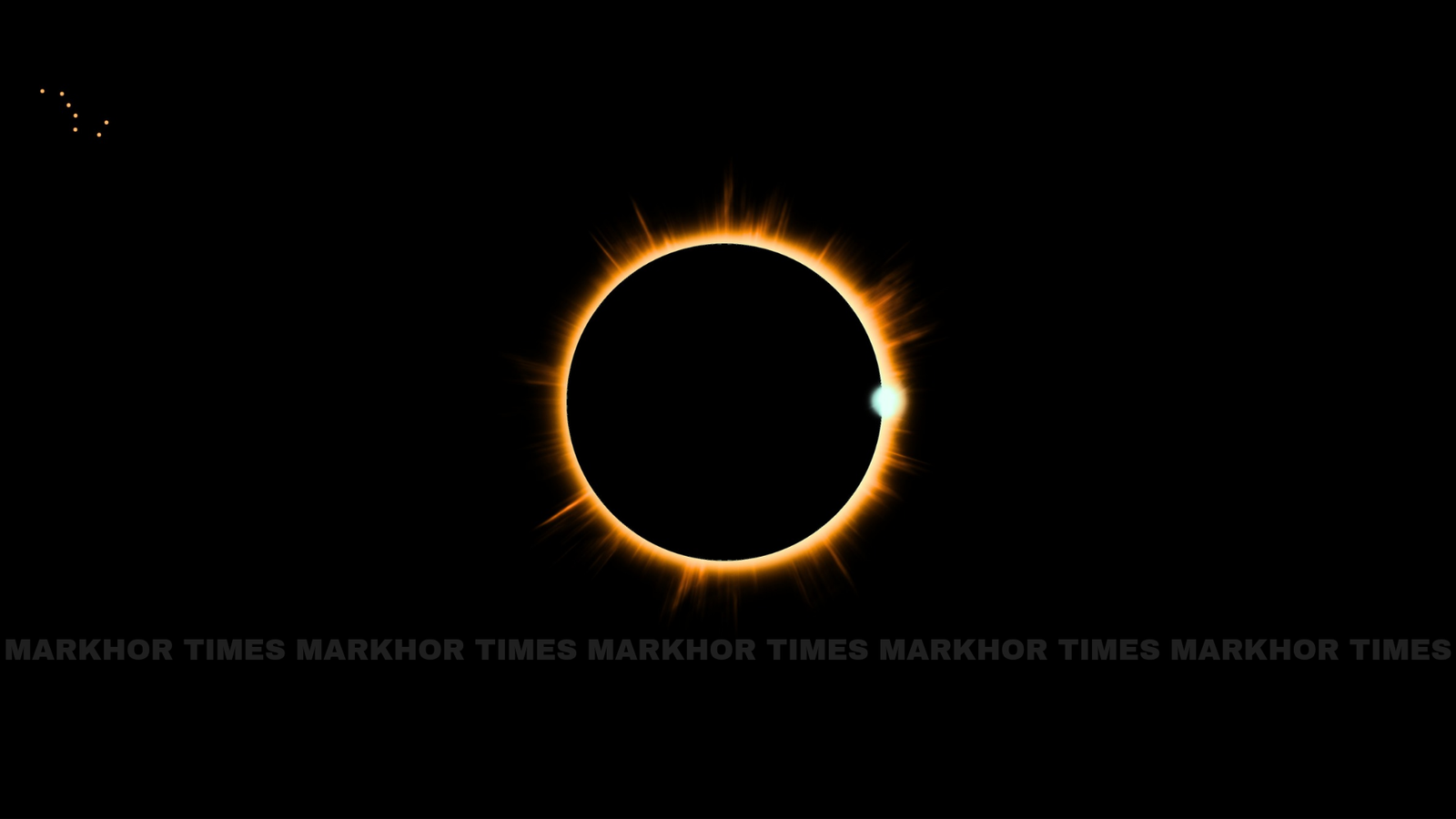
Solar Eclipse Can Damage Your Eyes
A solar eclipse is an amazing natural event, but looking directly at the Sun can cause serious solar eclipse eye damage. Even when the Moon covers part of the Sun, its bright light and ultraviolet radiation can harm the eyes.
The danger may seem small because an eclipse makes the sky darker. However, the Sun remains extremely powerful. Looking at it without proper protection can damage the retina, which is the sensitive part of the eye.
Solar Eclipse Eye Damage
The eye damage cause is looking directly at the sun without proper protection. The sun's intense light and ultravioletultraviolet rays can damage the retina. This condition is known as 'solar retinopathy.' It can occur even if a person views a solar eclipse for only a brief period.
Under normal circumstances, the sun's intense brightness compels us to immediately look away or close our eyes. However, during a solar eclipse, the surrounding darkness can weaken this natural protective reflex. Consequently, a person might continue looking at the sun without realizing that their eyes are being damaged.
What Happens to the Retina?
The retina contains special cells that help us see clearly. The cells responsible for sharp central vision can suffer damage when they receive too much intense light.
One important problem is that the retina does not have pain receptors. Therefore, people may not feel pain while the damage is happening.
This makes solar eclipse eye damage particularly dangerous. A person may feel fine at first and notice vision problems several hours later.
Symptoms of Solar Retinopathy
Symptoms can appear after looking at the Sun and may include:
Blurred vision
A dark or blind spot in the centre of vision
Increased sensitivity to light
Difficulty seeing fine details
Changes in the appearance of colours
If these symptoms appear after viewing an eclipse, seek medical advice promptly.
How to Watch a Solar Eclipse Safely
The safest way to view a solar eclipse is to use genuine, specially designed solar eclipse glasses. Ordinary sunglasses cannot block the harmful radiation at the level needed for safe direct viewing.
Do not use homemade filters, cameras, binoculars or telescopes unless they have proper solar viewing equipment designed for the purpose.
Why Experts Warn About Eclipse Viewing
Past eclipses have shown how easily people can underestimate the danger. After the 1999 total solar eclipse visible in the UK, around 70 people reportedly experienced sight damage.
Some people had looked at the eclipse for less than a minute. They did not realise that even a short period of direct viewing could harm their eyes.
Conclusion
Solar eclipse eye damage can occur without immediate pain, and vision problems may appear later. Using certified eclipse glasses and following safety advice can help you to view the eclipse while protecting your eyesight.
One email a week. No noise.
A single story unwound carefully, plus the few things worth your time. Free, and it stays that way.