
ICC Brings Stop Clock Rule to Test Cricket
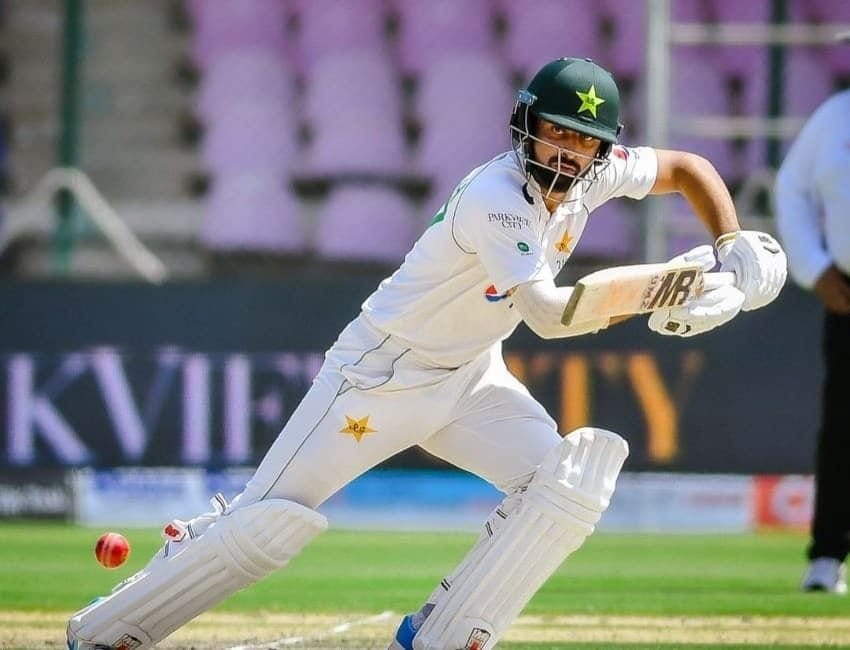
The International Cricket Council (ICC) has unveiled several new rule changes across all formats of the game, aimed at ensuring fairness, speeding up play, and resolving grey areas around decision-making processes. While some rules are already in use during the ongoing 2025–27 World Test Championship cycle, all updates will officially apply to white-ball cricket from 2 July.
One major shift is the extension of the stop clock to Test matches. Initially introduced in ODIs and T20Is, the rule requires fielding sides to start a new over within 60 seconds. Teams will receive two warnings before incurring a five-run penalty, with the warning count resetting every 80 overs.
The ICC has also revised how Decision Review System (DRS) appeals are processed. If a batter is initially given out caught behind and replays show no bat contact, the decision will now still be considered "out" for the ball-tracking review. If HawkEye then shows "umpire's call" for LBW, the batter will remain out—closing a controversial loophole.
Read More: ICC Introduces Major Rule Changes Across All Formats
In another update, when multiple incidents occur during one delivery (such as an LBW and a run-out), reviews will now be assessed in the order they happened. If the first incident leads to a dismissal, the rest will not be reviewed as the ball is considered dead.
The ICC will now also allow fair catch reviews even if the ball is called a no-ball. Furthermore, penalties for deliberate short runs have been stiffened—fielding captains will now be allowed to choose the next batter on strike.
Saliva use remains banned, but umpires will now have discretion on replacing the ball only if its condition is clearly affected. Finally, like-for-like injury substitutions will be trialled in domestic first-class cricket for players with visible, external injuries.
One email a week. No noise.
A single story unwound carefully, plus the few things worth your time. Free, and it stays that way.


