

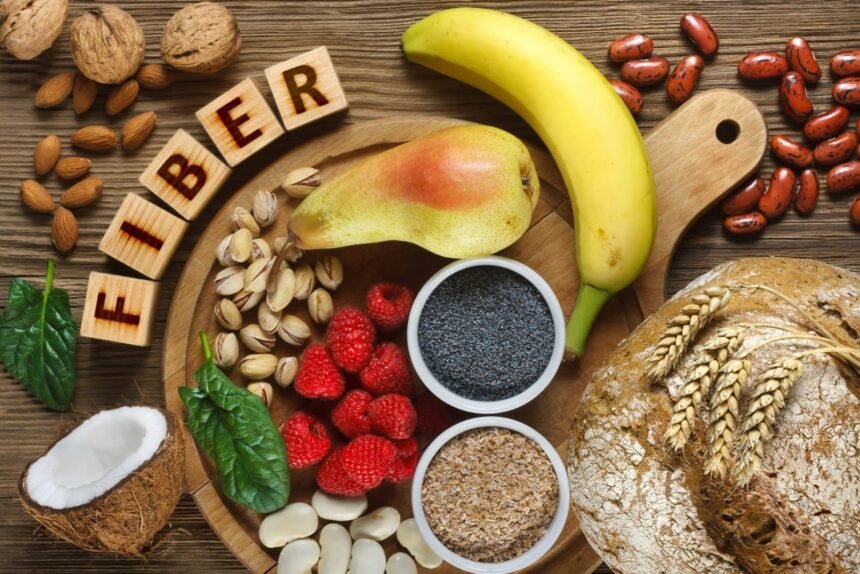
Fibre is one of the most important nutrients for good health, yet many people are not eating enough of it. Increasing fibre in daily meals can improve overall wellbeing, protect the brain, and even help people live longer.
Foods rich in fibre include wholegrains, fruits, vegetables, pulses, nuts, and seeds. These foods support digestion and help the body function better. Researchers now believe fibre also plays a key role in keeping the brain healthy.
Fibre helps strengthen the gut microbiome, which is made up of billions of helpful bacteria in the gut. These bacteria communicate with the brain through what scientists call the gut-brain axis. When this system works well, it may slow memory loss and reduce the risk of cognitive decline as people age.
Professor Karen Scott, a gut microbiology expert at the University of Aberdeen, says increasing fibre intake is one of the most powerful diet changes a person can make for brain health. She explains that a lack of fibre has become one of the biggest dietary risk factors linked to poor health.
Despite these benefits, fibre intake remains low around the world. In the United States, about 97 percent of men and 90 percent of women do not meet daily fibre recommendations. Most people consume less than half of what their bodies need.
The situation is similar in the United Kingdom, where more than 90 percent of adults fall short of recommended fibre levels. Many other countries face the same issue, showing that fibre deficiency is a global problem.
Experts encourage people to make small, simple changes to their diet. Adding wholegrain bread, fresh fruit, beans, or nuts to daily meals can help increase fibre intake.
Health professionals say that choosing fibre-rich foods regularly can support digestion, protect the brain, and improve long-term health, making fibre an essential part of a balanced diet.