Who Was Che Guevara? The Story Behind the World’s Most Famous Revolutionary
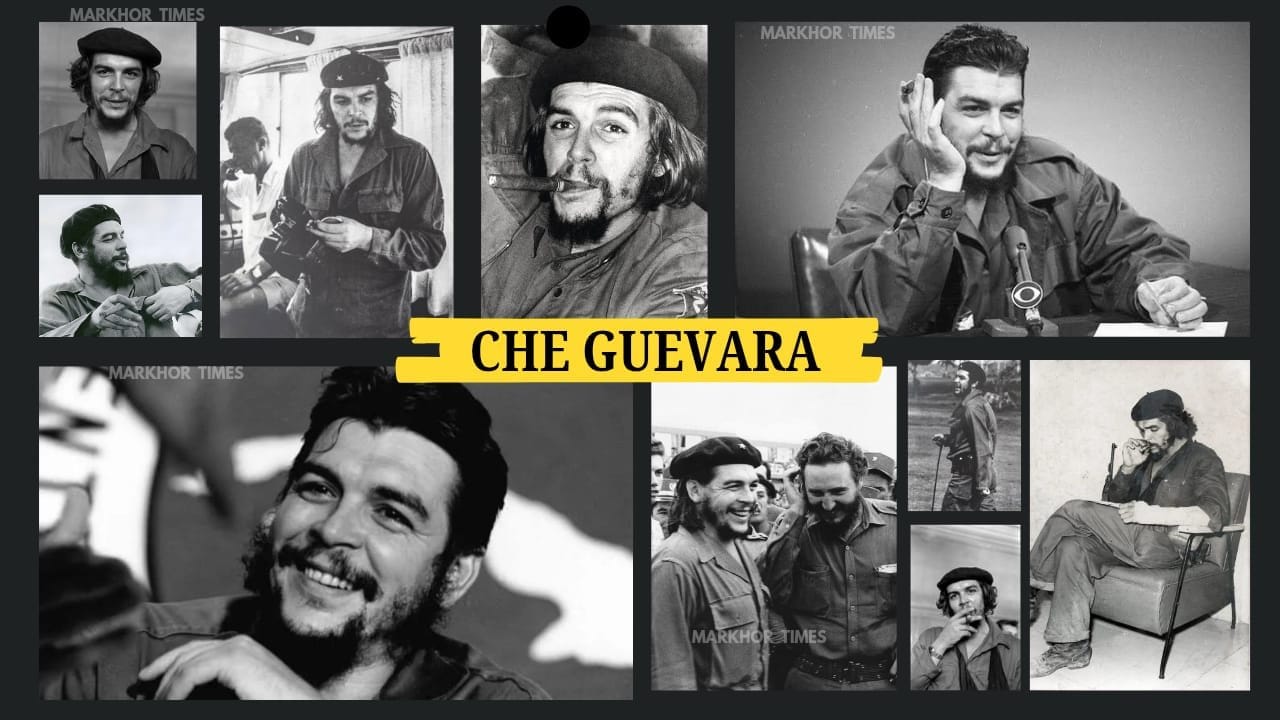
Che Guevara was born in Argentina in 1928. His real name was Ernesto Guevara, but people later started calling him “Che” because he often used this casual Argentine word in conversations. From a young age, he was intelligent and curious. He loved reading books, especially about politics, philosophy, and history. Despite growing up in a middle-class family, he was deeply aware of poverty and inequality around him.
His life was full of movement, traveling across countries, meeting people, facing struggles, and constantly searching for change. From a medical student to a global revolutionary, his journey was anything but ordinary.
Che studied medicine and became a trained doctor. But his journey was not limited to classrooms and hospitals. During his studies, he began to travel across South America. These travels changed everything for him. He saw poor workers, struggling farmers, and communities living without basic rights. This experience touched him deeply and shaped his thinking about justice and equality.
Che also had serious health issues. He suffered from asthma since childhood. Even during difficult journeys and jungle life, he often faced breathing problems. But what made him different was his determination. Despite his illness, he continued traveling, working, and fighting. His health never stopped him from chasing his goals.
His life took a major turn when he met Fidel Castro. This meeting was very important because it connected Che to the Cuban revolutionary movement. Together, they planned to overthrow the government of Cuba, which they believed was unfair and controlled by powerful interests.
The revolution, known as the Cuban Revolution, was not easy. Che faced many difficulties—harsh jungle conditions, lack of resources, and constant danger. But he was not just a fighter; he was also a strategist. He believed in guerrilla warfare, a method where small groups use smart tactics to fight stronger armies. His ideas helped the revolution succeed in 1959.
After the revolution, Che became an important figure in Cuba. He held different roles in the government, including working on economic reforms. But he was not satisfied with staying in one place. He believed that revolution should spread to other countries where people were suffering.
This belief led him to travel again—this time with a mission. He went to different parts of the world, including Africa and later Bolivia, trying to support revolutionary movements. These journeys were risky and full of challenges. He was far from home, often with limited support, but he continued because he believed in his cause.
Che’s life was closely connected with powerful personalities of his time. Apart from Fidel Castro, he interacted with leaders and thinkers who shaped global politics. His ideas were influenced by Marxism, and he wanted to create a society where wealth and power were shared more equally.
However, his journey was not always successful. In Bolivia, his final mission faced serious problems. He lacked local support, resources were limited, and his group struggled to survive. In 1967, he was captured and later executed. His death shocked many people around the world.
Even after his death, Che Guevara did not disappear. In fact, he became more powerful as a symbol. His image, his serious face, long hair, and beret became one of the most famous images globally. Today, you can see it on shirts, posters, and social media. For some, he is a hero who stood against injustice. For others, he is a controversial figure whose methods are questioned.
What makes Che’s work “mind-blowing” for many people is not just his revolution, but his commitment. He left behind comfort, career, and safety to follow what he believed was right. Whether people agree with him or not, his courage and strong beliefs are hard to ignore.
In simple words, Che Guevara’s story is about ideas, action, and sacrifice. He saw problems in the world and chose to act instead of staying silent. That is why people still talk about him today. Some admire him, some criticize him, but almost no one ignores him.
And maybe that is the real reason he remains famous—not just for what he did, but for what he represents: a life lived with purpose, no matter how difficult the path.
One email a week. No noise.
A single story unwound carefully, plus the few things worth your time. Free, and it stays that way.