

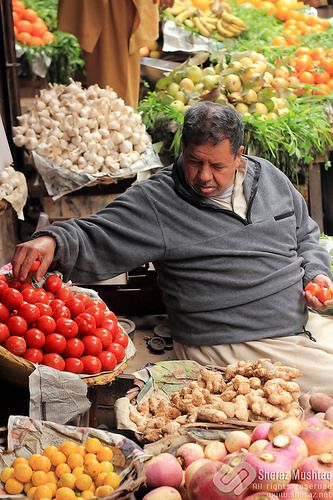
Inflation continues to devastate the lower and middle-income groups in Pakistan as prices soar, particularly for essential goods such as potatoes and chicken. The Pakistan Bureau of Statistics (PBS) reports that the weekly inflation rate increased by 46.82% year-on-year and 0.15% week-on-week in the seven days ending on April 27. The sensitive price indicator (SPI) is used to determine this inflation rate, which has risen due to the increase in prices of potatoes (8.22%), chicken (1.75%), wheat flour (1.55%), gur (1.23%), bread (1.13%), and rice are-6/9 (1.01%).
However, some prices have decreased, such as tomatoes, bananas, onions, sugar, LPG, pulse masoor, and mustard oil. SPI was recorded at 252.20 points against 251.83 points registered last week, and 171.78 points recorded during the week ended on April 28, 2022.
Despite these decreases, the cost of living in Pakistan has reached an all-time high, further reducing the purchasing power of the citizens. The country’s failure to control prices has led to inflation decimating the citizens’ purchasing power, and inflation continues to worsen for the poor country’s 220 million people.
Fahad Rauf, head of research at Ismail Iqbal Securities, believes that SPI rose moderately due to the increase in the prices of potatoes and mutton. During the Eid week, the price trend of perishable food items was mixed. Prices of potatoes, chicken, and mutton went up, while prices of tomatoes, bananas, and onions went down. Despite this, Rauf predicts that April 2023 CPI (consumer price index) will be around 38%, compared to 35.4% in March 2023, mainly due to the month-on-month increase from house rent revision and higher wheat prices.
Ismail Iqbal Securities predicts that another interest rate hike cannot be ruled out due to persistent inflationary pressures and the absence of the International Monetary Fund (IMF) program. SBP might hold another earlier-than-scheduled Monetary Policy Committee (MPC) meeting. However, this interest rate hike may discourage businesses, which have already put their expansion plans on the back burner and capped hiring. Furthermore, import restrictions have also increased the woes of industries and businesses, leading to frequent shutdowns and uncertain or no wages for millions of workers.
PBS compiles SPI by collecting prices of 51 essential items from 50 markets in 17 cities of the country. During the week, out of 51 items, the prices of 21 items increased, seven items decreased, and the prices of 23 items remained unchanged. Various weights are assigned to different commodities in the SPI basket. Commodities with the highest weights for the lowest quintile include milk, electricity, wheat flour, sugar, firewood, long cloth, and vegetable ghee. Of these commodities, the price of milk and wheat flour increased, sugar decreased, and prices of electricity, firewood, long cloth, and vegetable ghee remained unchanged. However, the prices of all these commodities went up on a yearly basis.
The current inflation crisis in Pakistan is a major challenge that needs to be addressed urgently. The rising prices of essential goods and services are causing immense difficulties for the poor and the middle class, and the situation is expected to worsen unless concrete measures are taken to control inflation. The government must take proactive steps to mitigate the effects of inflation by implementing policies that will help reduce the cost of living for ordinary citizens, especially the poor. It is essential to maintain a stable macroeconomic environment, develop policies to increase productivity and investment and improve the efficiency of the public sector.