

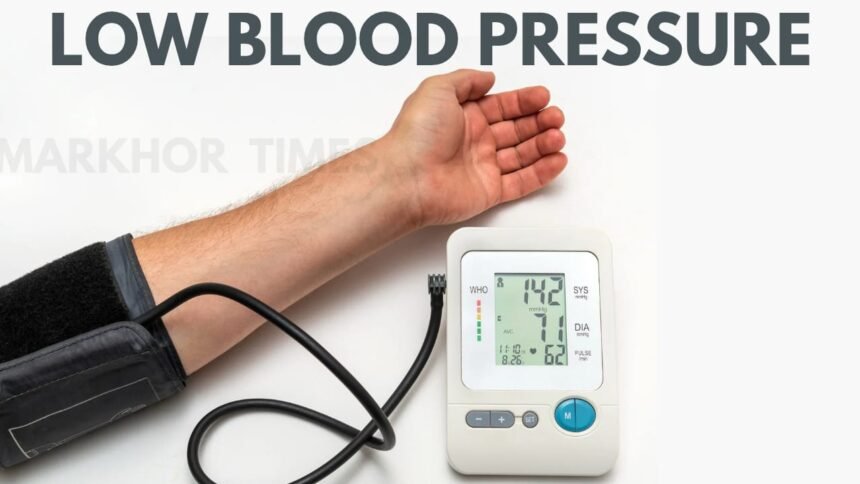
Low blood pressure, also known as Hypotension, is often ignored, but it can be dangerous if not treated on time. Many people think only high blood pressure is a problem, but very low blood pressure can reduce blood flow to vital organs like the brain and heart. This can lead to dizziness, fainting, or even serious health risks if it becomes severe.
What is Low Blood Pressure?
Blood pressure is the force of blood pushing against the walls of your arteries. When it drops below normal levels (usually less than 90/60 mmHg), it is called hypotension. Some people naturally have low blood pressure and feel fine, but for others, it can cause troubling symptoms.
Common Symptoms
The symptoms of low blood pressure are usually easy to notice. These include:
Dizziness or lightheadedness
Fainting (sudden loss of consciousness)
Blurred vision
Weakness or fatigue
Nausea
Cold, sweaty skin
In serious cases, it may lead to shock, which is a medical emergency.
Causes of Low Blood Pressure
There are many reasons why blood pressure can drop. Common causes include:
Dehydration (not drinking enough water)
Long illness or infection
Heart problems
Blood loss
Pregnancy
Certain medicines, especially for high blood pressure or depression
Standing up too quickly can also cause a sudden drop, known as postural hypotension.
Treatment and Medicines
Treatment depends on the cause. Mild cases can be managed at home, while severe cases may need medical care. Doctors may suggest lifestyle changes first. In some cases, medicines are used to raise blood pressure. Common medications include Fludrocortisone and Midodrine, but these should only be taken with a doctor’s advice.
Easy Care Tips at Home
You can manage low blood pressure with simple daily habits:
Drink plenty of water to stay hydrated
Eat small, frequent meals
Add a little more salt to your diet (only if advised by a doctor)
Avoid standing for long periods
Get up slowly from sitting or lying positions
Wear compression stockings if recommended
Important Precautions
Taking precautions can help prevent sudden drops in blood pressure:
Avoid alcohol or limit its use
Stay cool in hot weather
Monitor your blood pressure regularly
Do not skip meals
Follow your doctor’s instructions carefully
When to See a Doctor
If you often feel dizzy, faint, or weak, you should consult a doctor immediately. Sudden or severe symptoms should never be ignored.
Low blood pressure may seem harmless, but it can affect your daily life and health if not managed properly. With the right care, treatment, and precautions, you can stay safe and healthy.