US Blocks Iranian Ports as Global Tensions Rise in Middle East
The situation in the Middle East is becoming more serious as the United States has started a naval blockade on Iranian ports. This means ships are being stopped from entering or leaving Iran by sea. The move has increased global tension, especially around the Strait of Hormuz, which is one of the most important routes for oil and trade in the world.
The US military, under Central Command, is leading this operation with more than 10,000 personnel. Several warships, including the USS Abraham Lincoln, along with fighter jets and surveillance aircraft, are part of this mission. Instead of staying close to Iran’s coast, US forces are mainly operating in the Gulf of Oman and the Arabian Sea to track and stop ships safely.
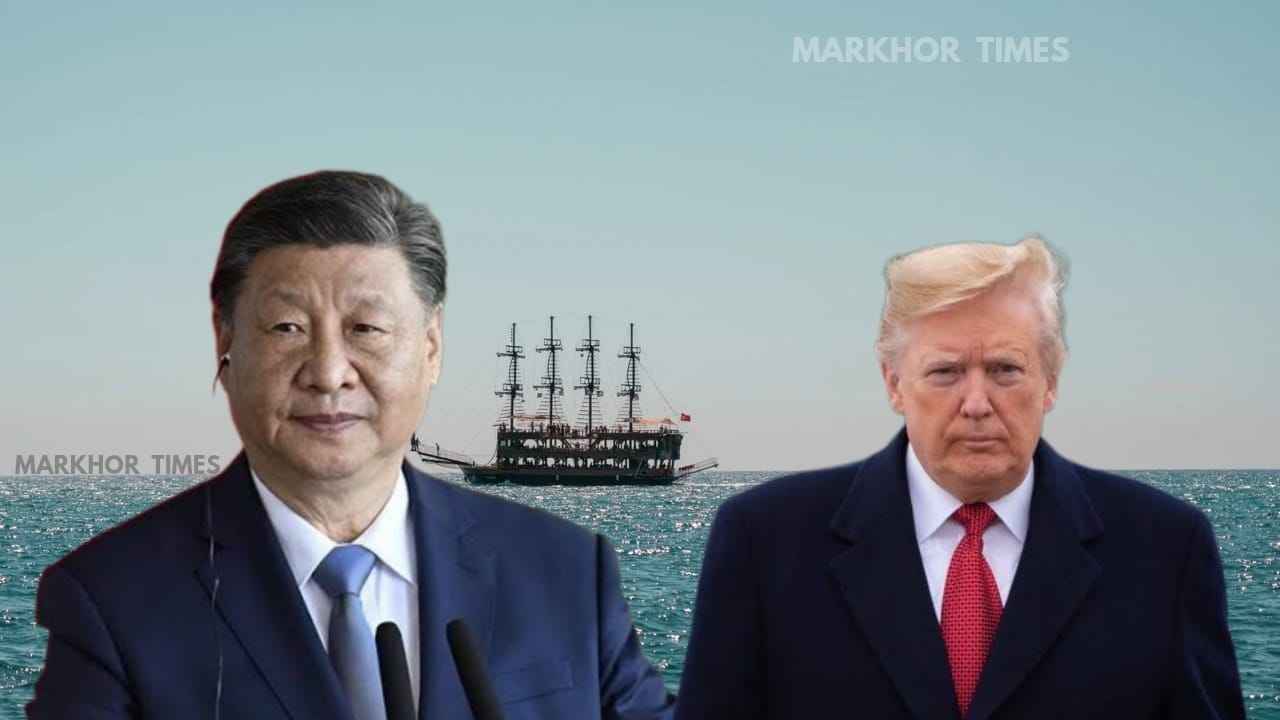
Some ships have already been turned back, but reports say that one Chinese oil tanker managed to pass through. This has raised concerns and reactions from China. The Chinese government has called the US blockade “dangerous and irresponsible” and warned that it could affect global trade and energy supply.
At the same time, diplomatic efforts are also continuing. China has suggested a peace plan to reduce tensions, while Russia is also in talks with China to find a solution. However, the situation remains uncertain after the recent failure of US–Iran peace talks. US President Donald Trump has also warned China of strict actions, including heavy tariffs, if it supports Iran in any way. Despite this, talks between US and Chinese leaders are expected next month.
The Strait of Hormuz is very important for many countries, especially for oil supply. Experts believe that if tensions continue, it could affect the global economy. For now, the world is closely watching how this situation develops.
One email a week. No noise.
A single story unwound carefully, plus the few things worth your time. Free, and it stays that way.