

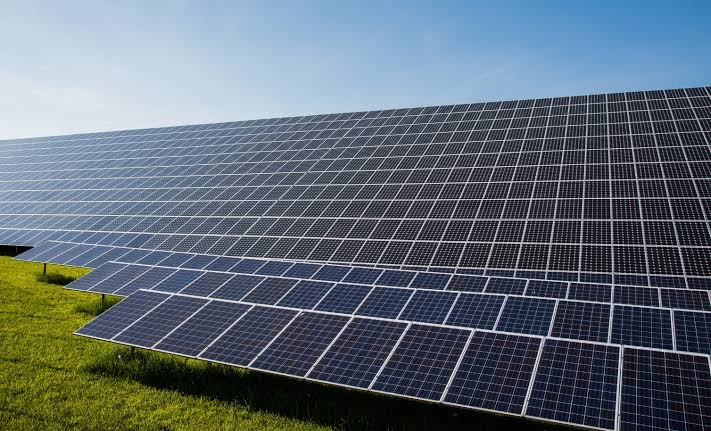
Pakistan’s rapid expansion in solar energy is helping protect the country from a major energy crisis as the ongoing war in Iran disrupts global oil and gas supplies. With key shipping routes under pressure, especially the vital Strait of Hormuz, many countries are facing rising fuel prices and shortages. However, Pakistan’s growing use of solar power has reduced its dependence on imported fuels, offering a timely advantage.
Energy experts say the increase in solar electricity generation has significantly lowered the country’s need for gas, particularly during daytime hours. This shift has allowed Pakistan to cut back on expensive fuel imports. According to analysis by Renewables First and the Centre for Research on Energy and Clean Air, Pakistan has avoided around $12 billion in oil and gas import costs as of February 2026 due to its solar growth.
In recent months, Pakistan had already begun diverting liquefied natural gas shipments from its long-term deal with Qatar because of falling demand. Although LNG still makes up about one-fifth of the country’s energy mix, it is now mainly used to meet electricity needs during evening peak hours.
Despite this progress, challenges remain. Pakistan still depends heavily on the Middle East for more than 90 percent of its oil and LNG imports. With the conflict affecting tanker movement through the Strait of Hormuz, global energy markets are under severe strain. The International Energy Agency has described the current disruption as one of the largest in history.
Other Asian countries are already feeling the pressure. Nations like Bangladesh, Myanmar, and Philippines have introduced fuel rationing, while India is facing shortages of cooking gas in some areas.
Experts believe Pakistan’s solar growth offers an important lesson. Expanding renewable energy can reduce reliance on fossil fuels and protect economies from global shocks. While the country is not completely safe from rising prices, its investment in solar power is already proving to be a strong shield during a time of global uncertainty.