

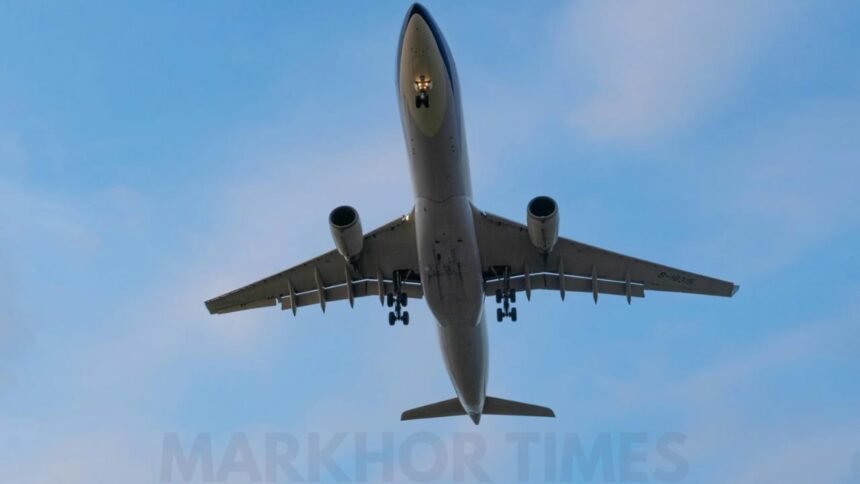
Air travel across the Middle East has been severely affected after military strikes increased tensions in the region. Several airlines in the United Arab Emirates and nearby countries have either suspended flights or changed their routes to ensure passenger safety.
The disruption began after the United States and Israel launched strikes on Iran. Following the attacks, many countries in the region restricted or temporarily closed their airspace. Because of these security concerns, airlines quickly adjusted their flight operations.
Many carriers say passenger safety is their top priority. They are closely watching the situation and waiting for aviation authorities to declare the skies safe again.
One of the major airlines affected is Qatar Airways. The airline announced that its flight operations are temporarily suspended because Qatari airspace is currently closed. The airline said it will resume services once the Qatar Civil Aviation Authority confirms that flights can safely operate again.
Meanwhile, Oman Air has cancelled flights to several cities, including Amman, Dubai, Bahrain, Doha, Dammam, Kuwait, Copenhagen, Baghdad and Khasab. These cancellations will remain in place until Sunday as the airline continues to monitor the security situation.
Another Omani carrier, SalamAir, has resumed some of its services but still suspended flights to destinations such as Kuwait, Sharjah, Doha and Dammam. The airline has also halted flights to Iraq, Lebanon and Iran until March 15.
Saudi Arabia’s national airline Saudia has also extended cancellations for flights to seven international destinations. These include Dubai, Abu Dhabi, Doha, Kuwait, Bahrain, Amman and Peshawar. The airline said flights will remain suspended until late Friday night.
In Kuwait, the situation is even more serious. Kuwait International Airport suspended all commercial flights after a drone strike damaged Terminal 1. However, Kuwait Airways is arranging special flights for Kuwaiti citizens who want to return home. These passengers are being transported through Saudi Arabia by land after arriving from cities such as London, Paris, Istanbul and Cairo.
European and American airlines are also reacting to the situation. British Airways has stopped flights to several Middle Eastern cities including Abu Dhabi, Doha, Dubai and Tel Aviv. The airline has arranged extra flights from Muscat to London for stranded travelers.
Similarly, United Airlines cancelled flights between the United States, Tel Aviv and Dubai until March 11. The airline said it will continue to monitor the situation closely.
As tensions remain high, airlines across the region are waiting for improved security conditions before fully restoring their services. Passenger safety remains the main concern for all carriers during this uncertain time.