

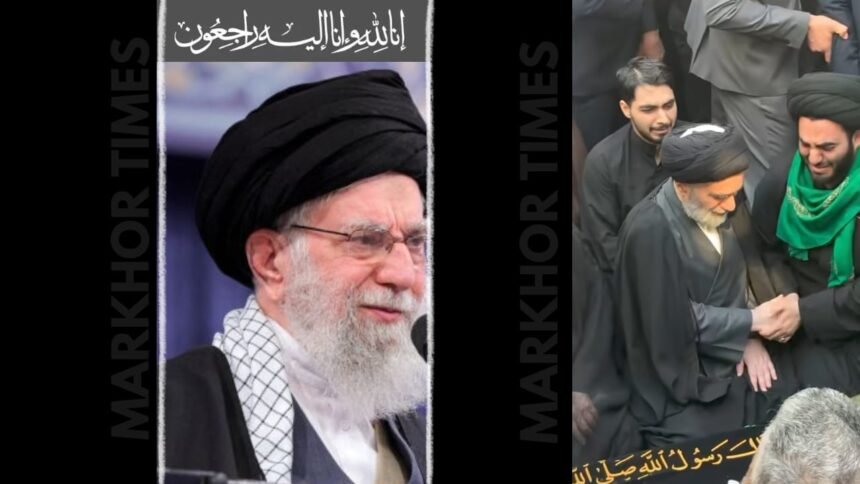
Iran has officially announced a 40-day period of national mourning following the reported death of Supreme Leader Ayatollah Ali Khamenei, marking one of the most significant moments in the country’s recent history. The decision, confirmed by the Iranian government on March 1, 2026, reflects both religious tradition and political importance attached to the late leader’s position.
The mourning period follows the tradition known as Chehelom, meaning “the fortieth,” a deeply rooted cultural and religious practice observed after a person’s death. In Iranian and wider Islamic traditions, the fortieth day symbolizes the conclusion of the main mourning phase, when families and communities gather to remember the deceased and pray for them.
Authorities stated that the mourning was declared after Khamenei’s reported death on February 28, 2026, following military strikes widely attributed to a joint United States and Israeli operation. While tensions remain high across the region, Iran’s leadership has focused on organizing nationwide memorial events and religious gatherings.
As part of official measures, the Iranian Cabinet also announced seven days of public holidays to allow citizens to participate in ceremonies and commemorations. Government offices, educational institutions, and many businesses are expected to operate on limited schedules during this period.
State media broadcasts have shown large crowds dressed in black gathering at major public locations, including Tehran’s Enghelab (Revolution) Square. Thousands of mourners were seen carrying portraits and flags while attending prayers and tribute events. Officials described the gatherings as a sign of national unity and respect for a leader who ruled Iran for more than three decades.
However, reports circulating on social media suggest mixed reactions among the population. While many citizens participated in mourning ceremonies, some videos indicated private celebrations among certain groups, reflecting political divisions within Iranian society. These reports remain difficult to independently verify.
International reactions have also followed quickly. Political and religious leaders in Pakistan, Lebanon, and several Islamic organizations expressed condolences, calling the event a moment of grief for the wider Muslim Ummah. Messages of solidarity highlighted Khamenei’s influence beyond Iran’s borders.
Analysts say the extended mourning period not only honors the late leader but also allows time for political transition and stability as Iran prepares for decisions regarding future leadership. As ceremonies continue nationwide, the country remains focused on remembrance while the world watches closely for the next phase in Iran’s political future.