

Tensions in the Middle East have sharply escalated after Iran claimed it shot down an Israeli-American drone over its capital, Tehran. Officials say the incident reflects rapidly changing dynamics in the region, with military activity increasing and concerns growing about a wider conflict involving Israel and its allies.
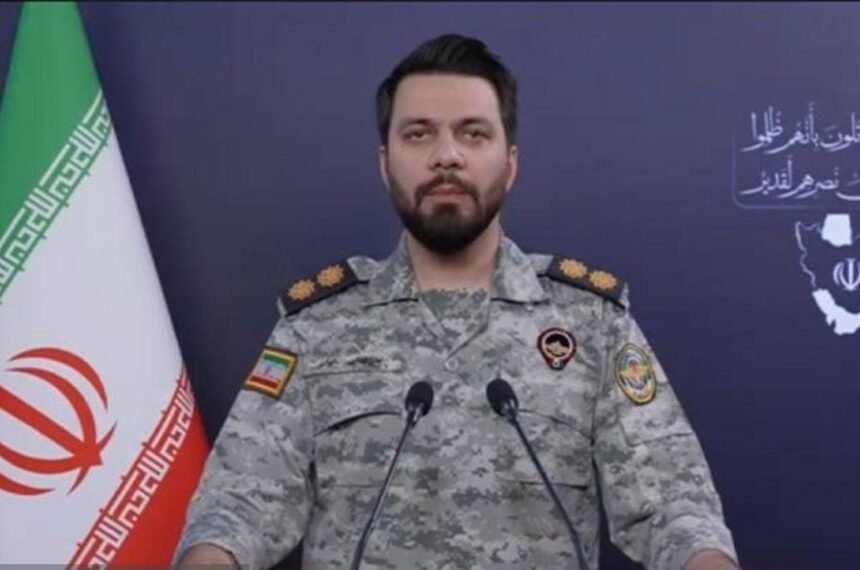
According to Ebrahim Zolfaghari, spokesperson for Iran’s Khatam al-Anbiya Central Headquarters, the drone was intercepted during a reconnaissance mission. He stated that Iran’s air defense system successfully identified and neutralized the aircraft before it could carry out any operation. The claim highlights Iran’s growing confidence in its integrated defense network.
Zolfaghari also said that the situation in the region is shifting quickly. He claimed that Israeli control over the defense of what he referred to as occupied Palestinian territories is weakening. However, such claims have not been independently verified and come amid ongoing military tensions.
In recent developments, Iran’s Islamic Revolutionary Guard Corps reportedly launched a new wave of operations under the name “True Promise 4.” These operations targeted key military locations, including airbases used for regional missions. Iranian forces claim they struck fighter jet hangars and fuel storage sites at bases such as Al Minhad Air Base and Ali Al Salem Air Base.
Another phase of the operation, called “Ya Haidar,” reportedly involved missile and drone strikes on multiple areas. Iranian sources claimed that locations in cities like Dimona, Eilat and Beersheba were targeted. Military and security facilities were said to be hit during these strikes.
The claims also include reports that Israel’s air defense systems were unable to stop all incoming attacks. Additionally, facilities linked to U.S. operations, including Al Dhafra Air Base, were mentioned among the targets.
While these developments indicate a serious escalation, independent confirmation from neutral sources remains limited. Experts warn that misinformation and conflicting narratives are common during such conflicts.
The situation continues to evolve, with global attention focused on whether tensions will rise further or diplomatic efforts will help reduce the risk of a larger regional crisis.