Plastic Bottles Turned into Painkillers by Bacteria
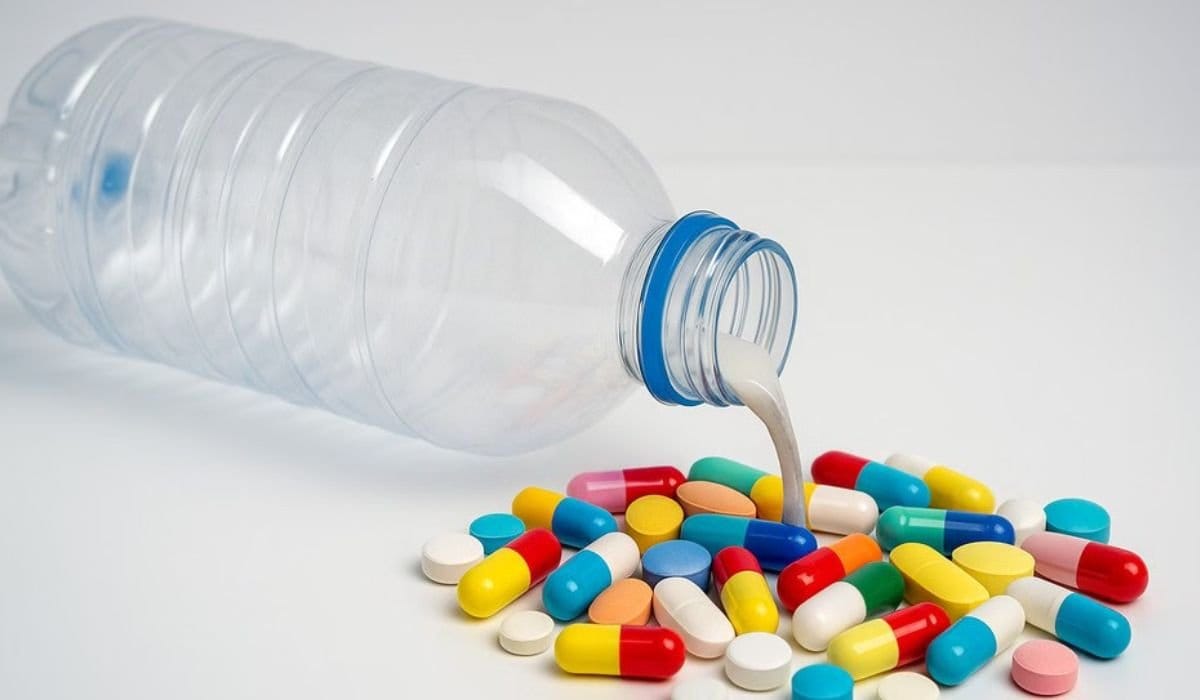
Scientists at the University of Edinburgh have developed a pioneering method to convert plastic waste into paracetamol using genetically modified bacteria, marking a major step toward more sustainable pharmaceutical production and environmental protection.
Published in the journal Nature Chemistry, the study highlights how E. coli bacteria can be engineered to transform compounds derived from recycled plastic bottles into paracetamol, a widely used pain reliever also known as acetaminophen. The conventional method of producing paracetamol relies on petroleum-based raw materials. However, this new approach replaces fossil fuels with discarded plastics, offering a greener alternative.
Researchers targeted polyethylene terephthalate (PET), the plastic commonly used in beverage bottles and packaging. Using eco-friendly chemical techniques, PET was broken down into a useful intermediate substance. This intermediate was then fed to modified E. coli bacteria, which performed the final steps in converting it into paracetamol.
Read More: Punjab Announces Major Healthcare Reforms in Budget 2025–26
One of the most remarkable discoveries of the study was the successful execution of a Lossen rearrangement — a chemical reaction not previously observed in living organisms. This reaction played a crucial role in completing the transformation process within the bacterial cells, without harming them.
Professor Stephen Wallace, who led the research, stressed the significance of combining chemistry and biology to tackle environmental challenges. He noted that the technique could both reduce reliance on fossil fuels in medicine manufacturing and help address the global issue of plastic pollution.
The breakthrough is being seen as a potential game-changer for both the pharmaceutical and recycling industries, with the possibility of wider applications in the future.
One email a week. No noise.
A single story unwound carefully, plus the few things worth your time. Free, and it stays that way.