

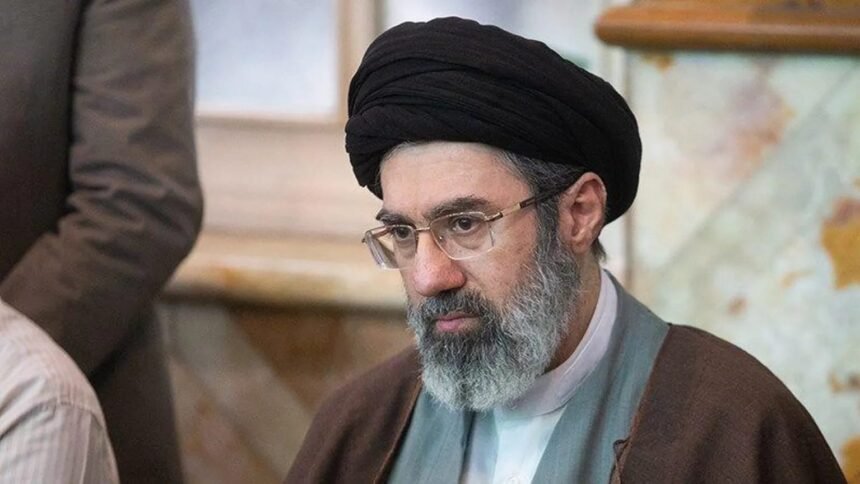
Mojtaba Khamenei has reportedly been chosen as the new leader following the death of his father, Ali Khamenei, who was killed during recent strikes linked to the conflict involving United States and Israel. His selection has quickly drawn attention both inside Iran and internationally.
Unlike his father, Mojtaba Khamenei has spent most of his life away from the public spotlight. The 56-year-old has rarely appeared in public and has never held an official government position. He has also avoided interviews, speeches, and media attention, making him a relatively mysterious figure to many people.
Mojtaba was born on September 8, 1969, in the northeastern Iranian city of Mashhad. He is the second child among the six children of Ali Khamenei. During his early years, he studied at the well-known Alavi School in Tehran, where he completed his secondary education.
At the age of 17, he briefly served in the military during the Iran–Iraq War. The long and violent conflict had a deep impact on Iran’s political leadership and strengthened the government’s distrust of Western countries that supported Iraq at the time.
Years later, Mojtaba decided to pursue religious studies. In 1999, he moved to the holy city of Qom, which is known as one of the most important centers of Shia Islamic learning. There, he began studying theology in religious seminaries.
Interestingly, Mojtaba did not start wearing clerical clothing until he entered the seminary in Qom. Many religious scholars usually begin their studies much earlier in life, so his decision to start at the age of 30 surprised some observers.
Today, Mojtaba Khamenei is considered a mid-ranking cleric rather than a senior religious authority. This could make his rise to the position of supreme leader controversial.
Iran’s political system was created after the Iranian Revolution in 1979, when the monarchy was overthrown. The country’s ideology states that the supreme leader should be selected based on religious knowledge and leadership ability, not because of family connections. Because Mojtaba is the son of the former leader, critics may question whether his selection follows the original principles of the Islamic Republic.
As Iran enters a new political phase, many analysts say the coming months will be important in determining how the country’s leadership and power structure will evolve.