

The ongoing 2026 Iran War is creating serious pressure on the global economy. The conflict began on February 28 after joint strikes by the United States and Israel against targets in Iran. Since then, financial markets and energy supplies around the world have faced sudden disruptions.
One of the biggest concerns is the energy market. Oil prices jumped quickly after the conflict began. The global oil benchmark Brent Crude surged more than 15 percent during the first week of the crisis. Prices climbed to around 84 to 85 dollars per barrel, creating fears of higher fuel costs worldwide.
The situation became more serious after Iran blocked the critical shipping route known as the Strait of Hormuz. This narrow waterway is one of the most important oil routes in the world. Nearly 20 million barrels of oil move through it every day. It also handles about 20 percent of the world’s liquefied natural gas shipments. The blockade has slowed energy deliveries and pushed prices higher.
Natural gas markets have also been shaken. European buyers rely heavily on imported gas, especially liquefied natural gas. Prices jumped nearly 50 percent after attacks damaged energy facilities in Qatar, forcing some production to stop temporarily. Experts say the sudden drop in supply has made the global energy market extremely unstable.
Higher oil costs are already affecting everyday life. In the United States, gasoline prices are increasing slowly but steadily. Drivers are seeing daily price increases of about 5 to 10 cents per gallon at fuel stations.
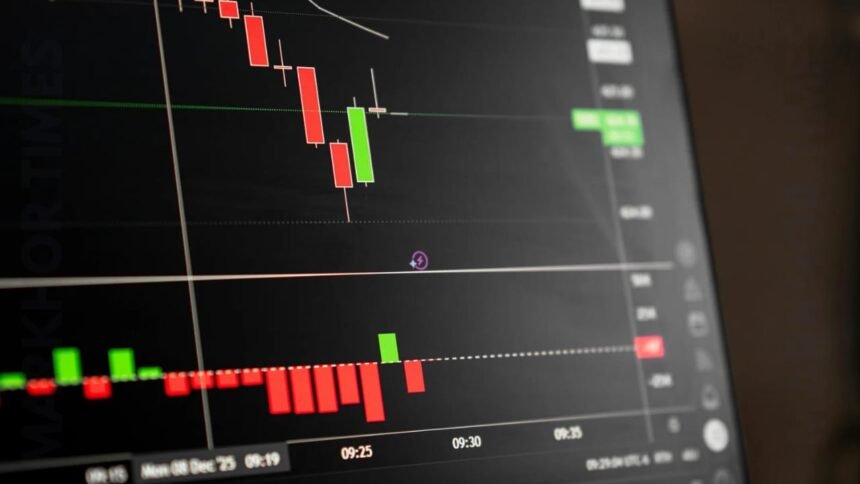
Financial markets have also reacted strongly to the conflict. On Dow Jones Industrial Average, stocks dropped sharply, losing more than 1,000 points in a single trading session. This fall represented about a 2.2 percent decline in one day.
Asian markets also experienced major losses. South Korea’s KOSPI index recorded its biggest drop since the global financial crisis of 2008, falling by around 12 percent. In Pakistan, the KSE 100 Index saw its largest one-day fall in history, dropping 9.57 percent. Meanwhile, Japan’s Nikkei 225 declined by more than two percent shortly after the first strikes were reported.
During uncertain times, investors often move their money into safer assets. Many traders shifted toward the U.S. Dollar and Gold, which are traditionally considered safe investments during global crises. At the same time, airline and travel company stocks dropped sharply as many countries closed airspace in the region.
Economists are also worried about rising inflation. Analysts estimate the energy shock could increase global inflation by 0.5 to 0.8 percentage points. This may force central banks to delay plans to cut interest rates.
Global supply chains are also under pressure. Shipping insurance costs in the Middle East region have risen by about 50 percent. The cost of hiring oil tankers has also doubled, making international transport more expensive.
Even agriculture is feeling the impact. Prices of urea fertilizer have increased by 21 percent in just one week. Experts warn that if the conflict continues, higher fertilizer costs could eventually lead to rising food prices worldwide.
As the war continues, governments, businesses, and investors are watching the situation closely, knowing that prolonged conflict could bring deeper economic challenges for the global economy.