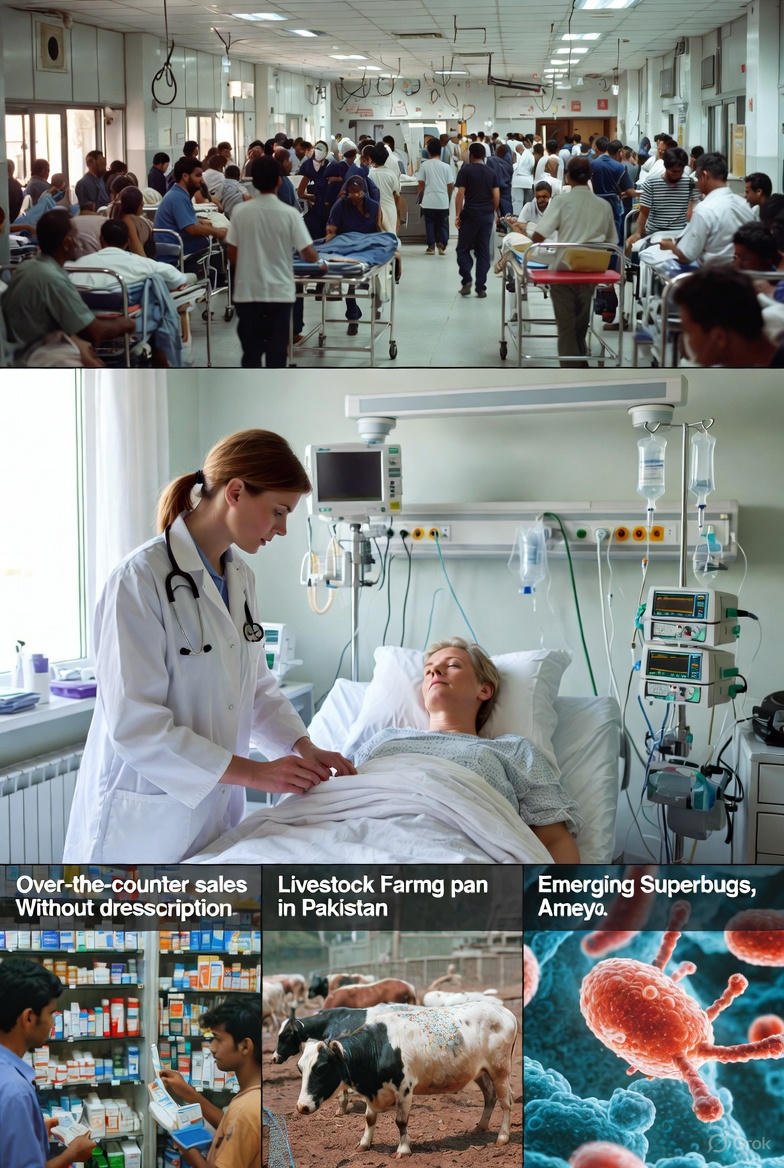
A Friend’s European Encounter: Pakistan’s Looming Crisis of Antibiotic Overuse and Resistance
A close friend recently recounted his visit to a hospital in Poland after sustaining minor injuries. The doctor carefully examined the wounds, reassured him they would heal naturally, and proposed an X-ray only if discomfort persisted. When he mentioned intense neck pain and sought painkillers, the physician deftly redirected him to physiotherapy, avoiding immediate medication. No antibiotics were offered—merely prudent, guideline-driven care that prioritized the body’s own healing.
This anecdote resonates profoundly against Pakistan’s backdrop, where even mild fevers often prompt swift antibiotic prescriptions. In recent years, I’ve personally navigated repeated high fevers relying solely on paracetamol and ibuprofen, as physicians increasingly exercise caution amid escalating resistance concerns. The disparity begs the question: why such measured restraint in Europe, yet persistent excess here?
The core issue is antimicrobial resistance (AMR), a crisis now linked to over 200,000 direct and associated deaths annually in Pakistan. This preventable scourge not only claims lives but strains healthcare systems, prolongs illnesses, and inflates costs, threatening to revert us to a pre-antibiotic era where routine infections become lethal.
Drivers of Overprescription in Pakistan
Pakistan ranks among the highest antibiotic consumers in low- and middle-income countries, with usage surging 65% between 2000 and 2015.Over-the-counter availability, self-medication, and pharmaceutical incentives fuel prescriptions for viral conditions like colds, where antibiotics prove ineffective.
Broad-spectrum agents such as ciprofloxacin and azithromycin are routinely deployed for minor ailments, hastening bacterial evolution. Commissions from drug firms often sway doctors toward volume over necessity. Livestock farming exacerbates this: antibiotics serve as growth promoters and prophylactics, with unregulated use transferring resistance via the food chain.
Poor sanitation, overcrowded hospitals, and inadequate infection control further amplify spread, creating a vicious cycle.
Emerging Superbugs: A National Emergency
Once-treatable diseases now defy multiple drugs. Extensively drug-resistant (XDR) typhoid, emerging in 2016 primarily in Sindh, has afflicted thousands, resistant to five antibiotic classes and leaving few options.
Multidrug-resistant tuberculosis ranks Pakistan among the highest-burden nations globally. Hospital-acquired pathogens like carbapenem-resistant Acinetobacter and Pseudomonas complicate surgeries, with resistance rates soaring—carbapenem resistance in Acinetobacter nearing 95% in some studies.
Globally, AMR directly caused 1.27 million deaths in 2019, projected to reach 10 million annually by 2050. In Pakistan, vulnerable groups—children, elderly, and immunocompromised—suffer most, as repeated unnecessary exposure erodes natural immunity.
Economic tolls mount: prolonged hospitalizations, advanced therapies, and lost productivity could cost billions, straining an already resource-limited system.
European Restraint: A Model for Prudence
In contrast, European nations like Poland enforce rigorous guidelines, confining antibiotics to bacteriologically confirmed cases. Symptom management, watchful waiting, and non-pharmacological interventions prevail for self-resolving illnesses.
Strict bans on over-the-counter sales, robust surveillance via networks like EARS-Net, and public education maintain lower resistance rates. Community consumption is meticulously tracked, fostering accountability.
Pakistan’s lax enforcement—despite legislation—and agricultural misuse undermine similar efforts, highlighting systemic gaps.
Personal Strength and Systemic Weakness
For three years, I’ve eschewed antibiotics, managing fevers through hydration, nutrition, and basic relief. Recovery followed each time, reinforcing the immune system’s resilience when unhindered.
As Dr. Muhammad Salman of the National Institute of Health emphasizes, irrational prescribing, over-the-counter access, and agricultural misuse are chief culprits—remediable through coordinated action.
Yet, quackery and substandard drugs persist, underscoring cultural reliance on quick fixes over holistic health.
Pathways to Reform: Urgent and Achievable
Pakistan’s 2017 National Action Plan on AMR, recently updated, outlines surveillance, stewardship, and awareness. Progress includes priority pathogen lists and awareness weeks, but implementation lags—funding shortfalls and provincial coordination hurdles impede enforcement.
Priorities: Mandate diagnostics before prescriptions, outlaw commissions, and prohibit over-the-counter sales. Regulate veterinary use, banning growth promoters. Launch nationwide campaigns demystifying viruses and promoting vaccination, like typhoid conjugates reducing XDR cases.
Hospitals need stewardship programs; communities, hygiene education. Doctors must lead ethically, prioritizing lives over incentives.
By mirroring European vigilance—evidence-based prescribing, infection prevention—we can preserve antibiotics’ efficacy. South Asia faces the gravest projections: 11.8 million direct AMR deaths from 2025-2050.
The urgency is now: collective resolve from policymakers, healthcare workers, farmers, and citizens can avert catastrophe. Our health security—and future generations’—demands it.