

The rising tensions between Iran and Israel are not only affecting the Middle East but are also creating serious challenges for Pakistan. As the conflict grows, Pakistan is facing economic pressure, security concerns, and diplomatic challenges.
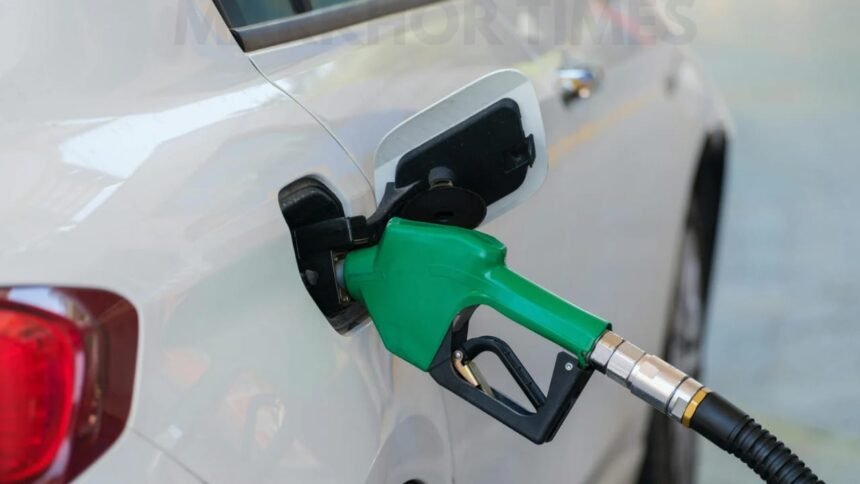
One of the biggest impacts is on fuel prices. Due to disruptions in global oil supplies caused by the conflict, the Pakistani government increased petrol and diesel prices on 7 March 2026. Prices were raised by PKR 55 per litre, which is the highest single increase in the country’s history. This sudden rise has made transportation and daily expenses more costly for millions of people.
The increase in international oil prices has also placed a heavy burden on Pakistan’s economy. Experts estimate that every $10 rise in global oil prices can increase Pakistan’s annual import bill by around $1.5 to $2 billion. Since the country already faces limited foreign exchange reserves, higher import costs are creating additional financial pressure.
The situation is also affecting border regions, especially in Balochistan. Trade activities have slowed down after the closure of important border crossings, including the Taftan Border Crossing. Many local businesses depend on cross-border trade, and the shutdown has badly damaged the local economy.
Another major issue is the sharp drop in informal fuel trade from Iran. For years, affordable Iranian fuel has entered Pakistan through informal channels and helped people in border areas manage transportation and business costs. However, the ongoing conflict has caused a major decline in this supply. Daily fuel imports have dropped from around 600,000 barrels to nearly 140,000 barrels.
The coastal city of Gwadar is one of the areas most affected by this shortage. Fuel prices there have jumped from about PKR 150 to nearly PKR 200 per litre. This increase has created serious problems for fishermen who rely on boats that consume large amounts of fuel. Many fishing operations have slowed down, and local leaders describe the situation as an economic emergency for the fishing community.
Apart from economic challenges, the conflict has also raised concerns about internal security and regional stability. Pakistan must carefully manage its diplomatic relations while avoiding direct involvement in the conflict. The government is monitoring developments closely and trying to maintain balanced relations with countries across the region.
In the coming months, the impact of the Iran-Israel conflict could continue to shape Pakistan’s economy and foreign policy. If global oil prices remain high and border trade stays limited, the pressure on Pakistan’s economy may increase further. Experts say that careful economic planning and diplomatic efforts will be necessary to manage the situation and protect the country’s stability.