

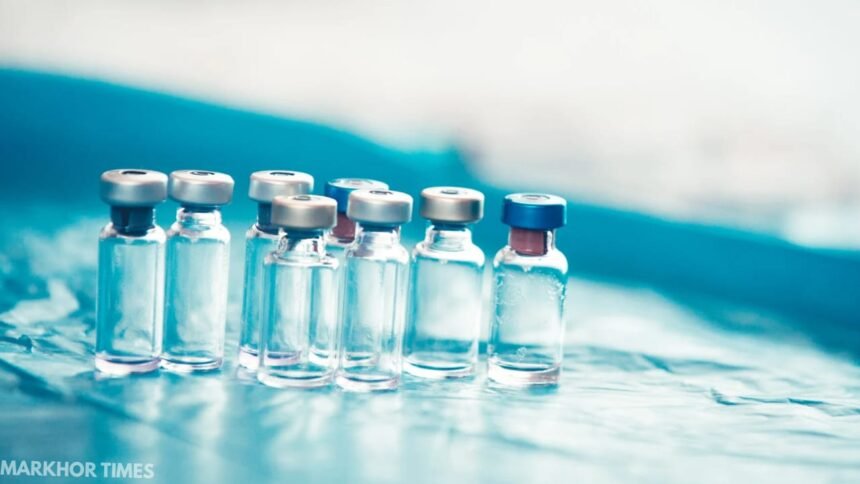
Pakistan is taking an important step to improve its health system by preparing to present a new National Vaccine Policy to Prime Minister Shehbaz Sharif. The policy aims to make the country safer from diseases and reduce dependence on imported vaccines by promoting local production.
A key meeting to finalize the policy was recently held in Islamabad. It was co-chaired by Special Assistant to the Prime Minister Haroon Akhtar Khan and Federal Health Minister Mustafa Kamal. Senior officials and health experts also took part. During the meeting, the main focus was on building a strong and reliable vaccine system within Pakistan.
At present, Pakistan imports a large number of vaccines, which can be costly and risky during global shortages. The new policy plans to change this by encouraging local manufacturing. By producing vaccines at home, the country hopes to ensure a steady supply, lower costs, and faster access during emergencies.
All vaccine production under the new policy will follow international standards and global best practices. This means vaccines made in Pakistan will meet strict quality and safety rules. The goal is not only to protect public health but also to build trust at home and abroad.
The policy also supports the growth of Pakistan’s pharmaceutical and health industries. Local companies will be encouraged to invest in vaccine research, development, and manufacturing. This could create new jobs, boost skills, and strengthen the overall economy.
Health experts believe that local vaccine production will improve national health security. It will help Pakistan respond better to future outbreaks and reduce reliance on foreign suppliers. The policy is seen as a long-term investment in the country’s health and economic stability.
Once approved by the prime minister, the National Vaccine Policy is expected to guide Pakistan toward self-reliance, better healthcare, and a safer future for its people.