

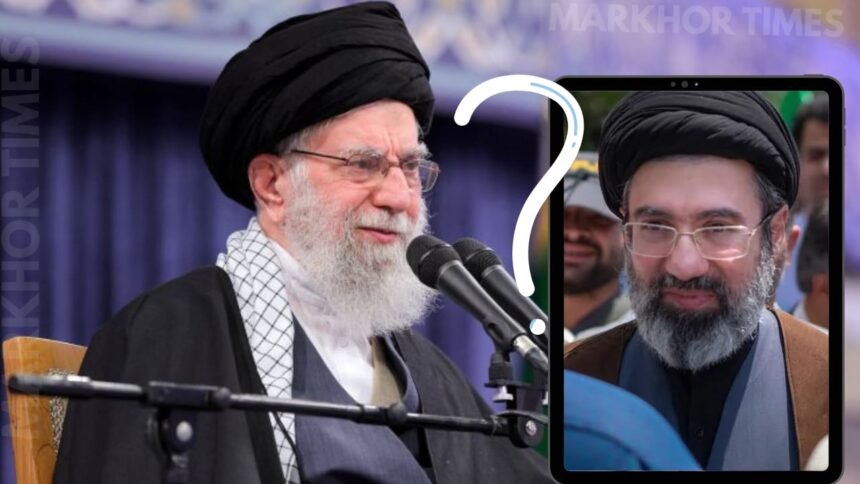
Iran has entered a sensitive political phase as the country continues to operate without a permanent Supreme Leader following the reported assassination of Ali Khamenei on February 28, 2026. As of March 2, 2026, authorities have not yet announced a successor, while constitutional procedures for leadership transition are actively underway.
According to Iranian officials, the country is currently being governed by a temporary body known as the Transitional Leadership Council. This arrangement follows Article 111 of Iran’s Constitution, which outlines the process to ensure continuity of leadership during extraordinary circumstances.
The three-member council has temporarily assumed the responsibilities normally held by the Supreme Leader. The body includes the sitting president, the head of the judiciary, and a senior religious jurist selected from the Guardian Council. Officials say the council’s role is limited to maintaining stability and overseeing state affairs until a new leader is formally chosen.
Iran’s Foreign Minister Abbas Araghchi stated in an interview with Al Jazeera that the constitutional process has already begun. He explained that the transition council is functioning as an interim authority while another key institution works to appoint the next Supreme Leader.
Araghchi suggested that the selection process could move quickly, saying a new leader might be chosen within one or two days. However, analysts note that such decisions often involve complex consultations among senior clerics and political bodies, making the exact timeline uncertain.
Meanwhile, President Masoud Pezeshkian confirmed in a televised address that the transitional council has officially started its duties. In the same speech, he strongly condemned Khamenei’s killing, calling it a major crime against the nation. The government also announced seven days of public holidays alongside a wider 40-day national mourning period.
The leadership transition is taking place amid heightened regional tensions, as Iran continues to face military and political pressure linked to ongoing conflict involving the United States and Israel. Despite the challenging environment, Iranian officials have emphasized that state institutions remain functional and that governance continues without interruption.
Public attention is now focused on the Assembly responsible for selecting the next Supreme Leader, a decision that will shape Iran’s political direction for years to come. Until that announcement is made, the transitional council is expected to manage daily governance while maintaining national stability during this historic moment.
Observers worldwide are closely watching developments, as the appointment of Iran’s next Supreme Leader is likely to carry significant regional and global implications.