

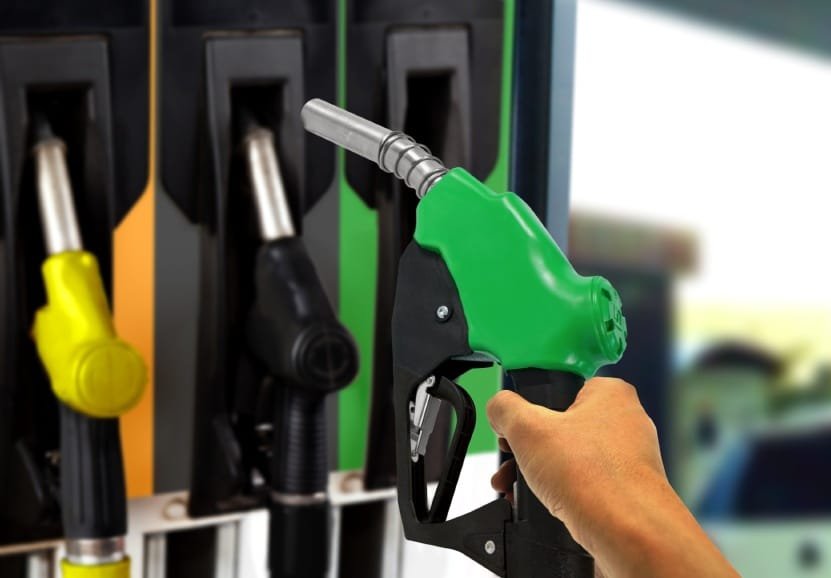
Prime Minister Shehbaz Sharif has decided not to increase petroleum prices for now, even though global oil rates have risen sharply. The price of petrol in Pakistan will remain at Rs321.17 per litre, offering temporary relief to consumers already struggling with rising living costs.
The decision comes only a week after the government announced a major increase in fuel prices. On March 6, petrol and high-speed diesel prices were raised by Rs55 per litre, one of the largest hikes in the country’s history. The increase was mainly caused by a sudden surge in international oil prices.
Global markets became unstable after tensions grew between United States, Israel and Iran. As a result, crude oil prices jumped from around $78 per barrel to more than $106 in a short time. The situation worsened when the vital shipping route known as the Strait of Hormuz faced disruptions, raising concerns about global energy supplies.
The previous price increase caused strong reactions across Pakistan. Many people rushed to petrol stations to fill their vehicles before the new prices took effect. Long queues were seen at fuel pumps in several cities as citizens tried to avoid paying higher rates.
Economic experts and labour groups warned that the sharp increase in fuel prices could lead to higher transport and food costs. Since fuel affects almost every sector of the economy, any rise in petrol prices can quickly increase daily expenses for the public.
For now, the government’s decision to keep petrol prices unchanged is expected to provide short-term relief. However, experts say future prices will still depend on changes in global oil markets and regional tensions