

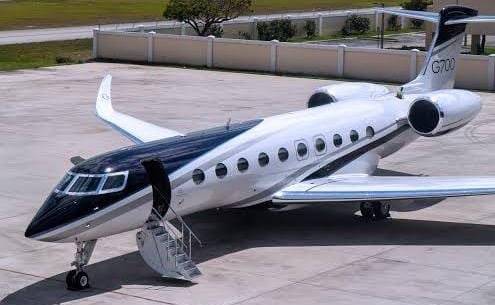
The Singapore Airshow is known for big passenger planes and military aircraft, but this year, a luxury private jet is getting special attention. Gulfstream’s G700 has become one of the most talked about aircraft at Asia’s largest aviation and defence show.
Parked away from the busiest areas of the airfield, the sleek jet still attracts long lines of visitors. People wait patiently in the heat for a chance to step inside. The slow-moving queues show strong interest from buyers, even though the aircraft costs tens of millions of dollars. Sales talks are happening onboard throughout the day.
Once inside, the reason for the excitement is clear. The cabin feels bright and open, thanks to large oval windows. Soft leather seats, polished wooden panels and quiet surroundings create a calm space. Gulfstream staff describe different “living areas” inside the jet. There is a lounge with a sofa and TV, and at the back, a private bedroom known as a “grand suite,” complete with a shower.
This level of comfort reflects a bigger change in aviation. While airlines focus on carrying large numbers of passengers, private jet makers are targeting a smaller group of very wealthy customers. These travelers value time, privacy and flexibility more than ticket prices.
Industry numbers support this trend. In 2025, private jet flights worldwide reached about 3.7 million. This was five percent higher than in 2024 and around 35 percent higher than before the pandemic, according to aviation data firm WingX. At the same time, the number of ultra-wealthy individuals has grown sharply over the past five years.
Gulfstream faces strong competition from other jet makers such as Bombardier, Dassault, Embraer and Textron Aviation. All are trying to win buyers in this growing market.
However, the rise of private jets also brings criticism. Environmental concerns remain a major issue, as private aircraft produce high emissions per passenger. Despite this, demand for luxury air travel continues to rise.