

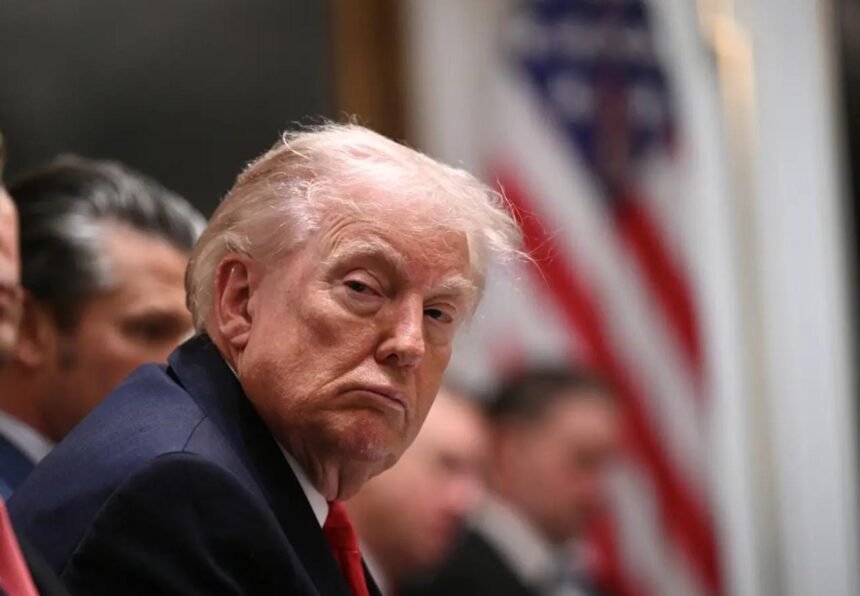
Tensions in the Middle East have intensified after Donald Trump warned Iran of severe consequences if it interferes with global oil shipments through the Strait of Hormuz. The warning came as the conflict involving United States and Israel continues to raise concerns about regional stability.
In a message posted on social media, President Trump said Iran would face “death, fire, and fury” if it continued to threaten oil exports in the strategic waterway. The Strait of Hormuz is one of the world’s most important shipping routes, with a large portion of global oil supply passing through it every day.
Trump also claimed that the ongoing war was progressing quickly and was “very far ahead of schedule.” He suggested that military operations had already achieved major objectives. However, he did not provide clear details about the next steps of the conflict or how long the situation might continue. Trump further warned that the United States would respond “twenty times harder” if Iran attempted to block the Strait of Hormuz.
The rising tensions have had a direct effect on global oil markets. Earlier in the week, oil prices had climbed above $100 per barrel due to fears that the conflict could disrupt supply. After Trump’s latest remarks, prices dropped slightly and moved closer to $90 per barrel as markets reacted to the possibility of continued military pressure.
Meanwhile, Iran has strongly criticized the actions of the United States and Israel. Iran’s foreign minister said the two countries do not appear to have a “realistic endgame” in mind for the conflict. The statement reflected growing concern within Iran about the ongoing military situation.
Residents in the Iranian capital, Tehran, reported another night of heavy air strikes. Many people described loud explosions and rising fear among civilians as tensions continue to escalate.
The crisis has also drawn attention from European countries. The United Kingdom has announced that it is preparing a naval support ship, the RFA Lyme Bay, in case assistance is needed in the Eastern Mediterranean region.
As the conflict develops, governments and global markets remain on alert. Any disruption in the Strait of Hormuz could significantly affect international oil supplies and further increase tensions across the region.